
New Energies
Diversifying our portfolio for Europe's energy transition.
The same deepwater assets Europe already trusts, converted for CO2, hydrogen carriers and cleaner fuels.
"Decarbonising the EU's energy system is critical to reach our 2030 climate objectives and the EU's long-term strategy of achieving carbon neutrality by 2050." — European Commission. Industry can only decarbonise as fast as the infrastructure around it. HES builds the terminals, storage and connections that let capture, hydrogen and storage projects move from ambition to operation. HES is turning working terminals into gateways for the molecules of the energy transition. Moving carbon molecules out, new energy molecules in on infrastructure that already serves industry today.
The conversion logic
A working network, ready to scale.
We build on what already works. Our New Energies infrastructure runs through existing, operating terminals; jetties, rail connections, storage, and permits already in place. That means a faster path forward: no multi-year greenfield permitting, no new-build construction risk, and a credible, near-term operational start date. Reusing brownfield infrastructure is our advantage. It's how we bring CO₂, hydrogen carrier, and clean power infrastructure online years faster than a new development ever could.
"Europe's industry can't decarbonize without infrastructure to move CO₂, hydrogen carriers and clean power at scale. For over a century, HES has moved what industry depends on. We're now putting that expertise to work for the transition; turning the terminals Europe already has into the ones it needs next."
Five streams
Choose your cargo of the transition.
Each stream has a different customer, logistics path and commercial status. Start where you are.
From live CO₂ capacity to hydrogen carriers and grid-side storage, this is the New Energies portfolio in motion.
CO₂ / CCS
Export gateway to North Sea storage
Open Season live
LOHC
Hydrogen as a liquid, on liquid-bulk assets
MoU signed
Ammonia → H₂
Import carrier → hydrogen for industry
Partnership in development
E-Fuels & renewables
Cleaner fuels on current tank infrastructure
Capacity shifting now
BESS
Grid-scale storage beside the terminal
In exploration
CO₂ / CCS
Europe’s missing carbon link.
Onshore emitters. Deepwater export. Permanent storage under the North Sea.
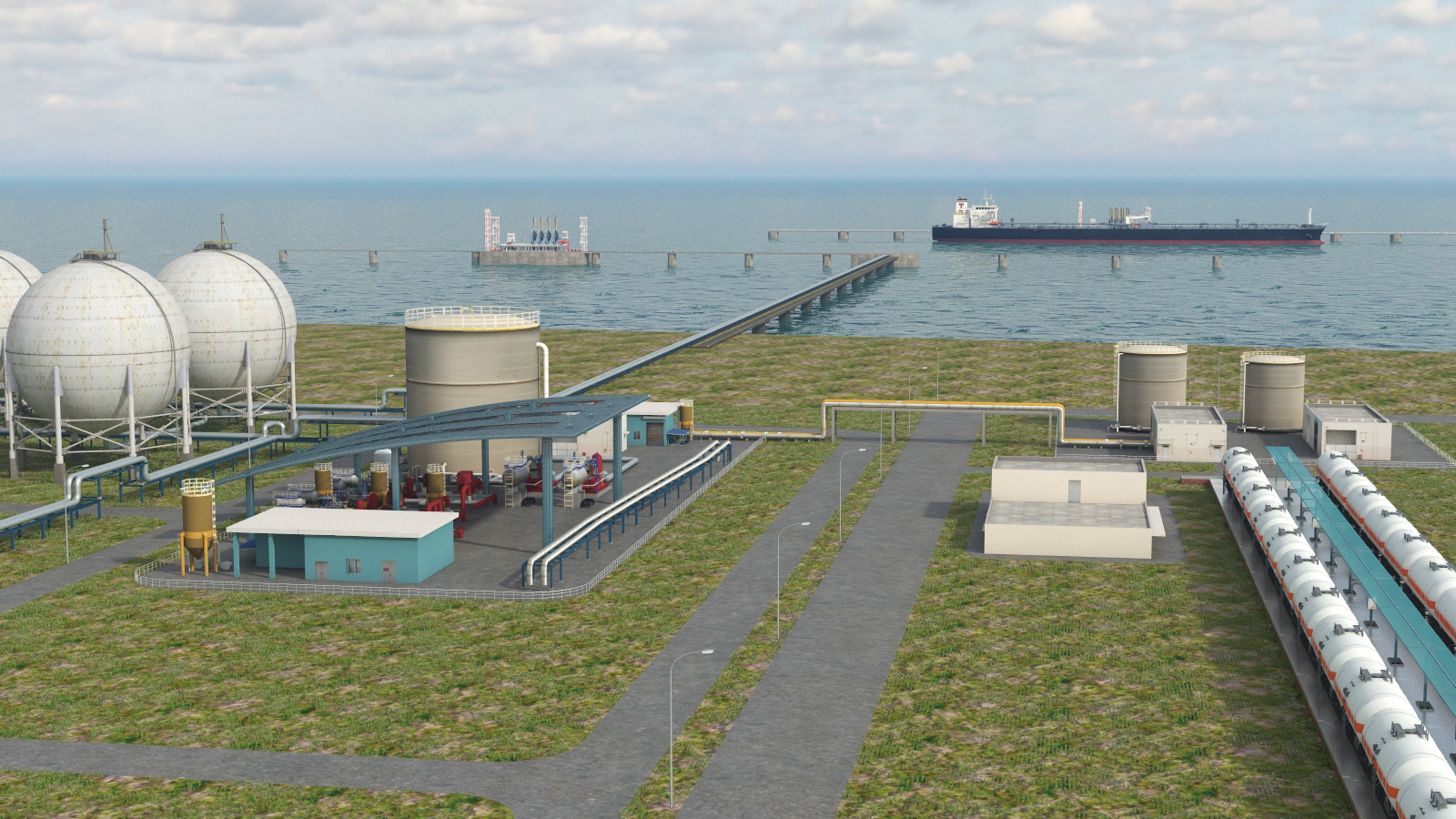
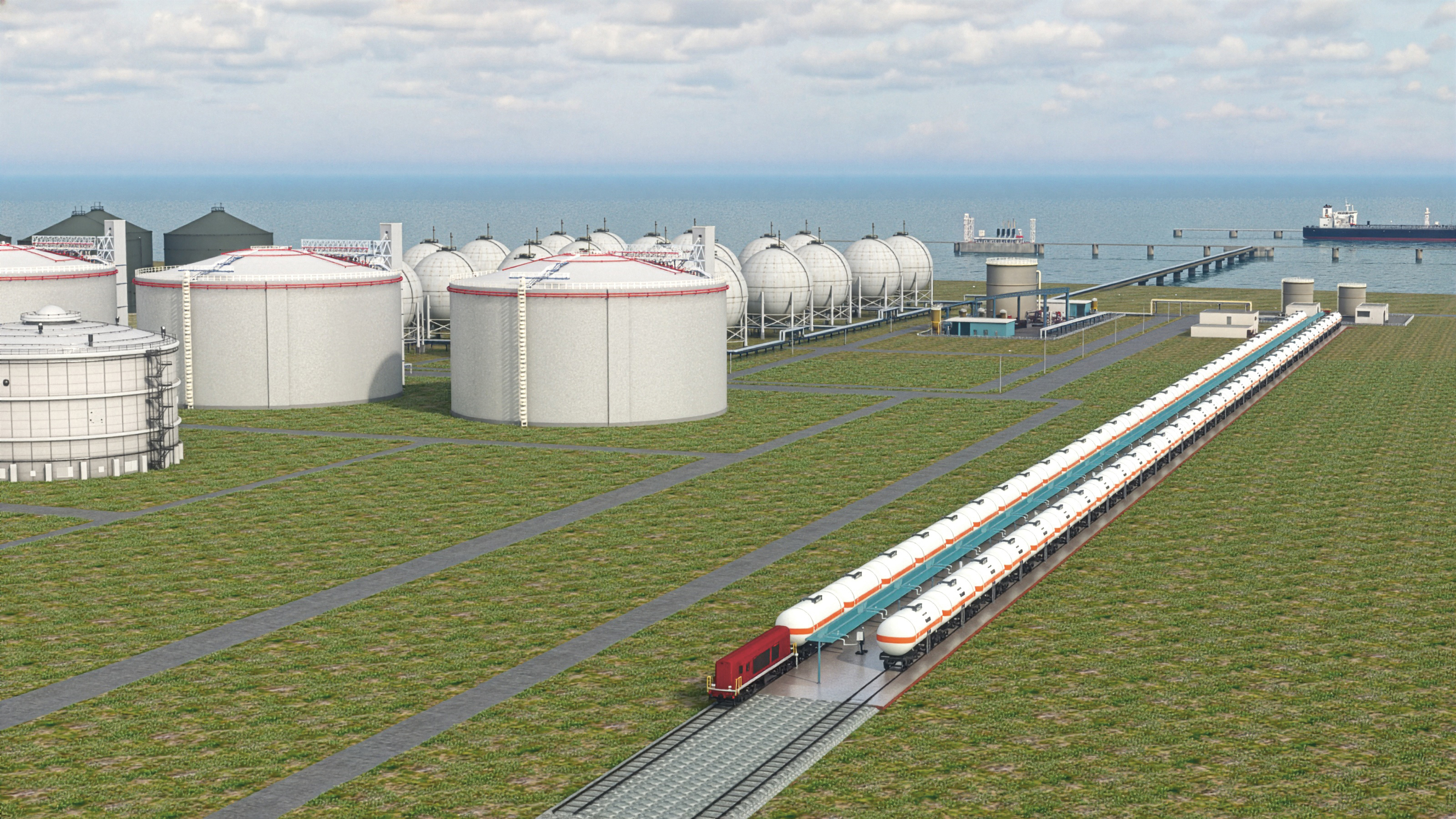
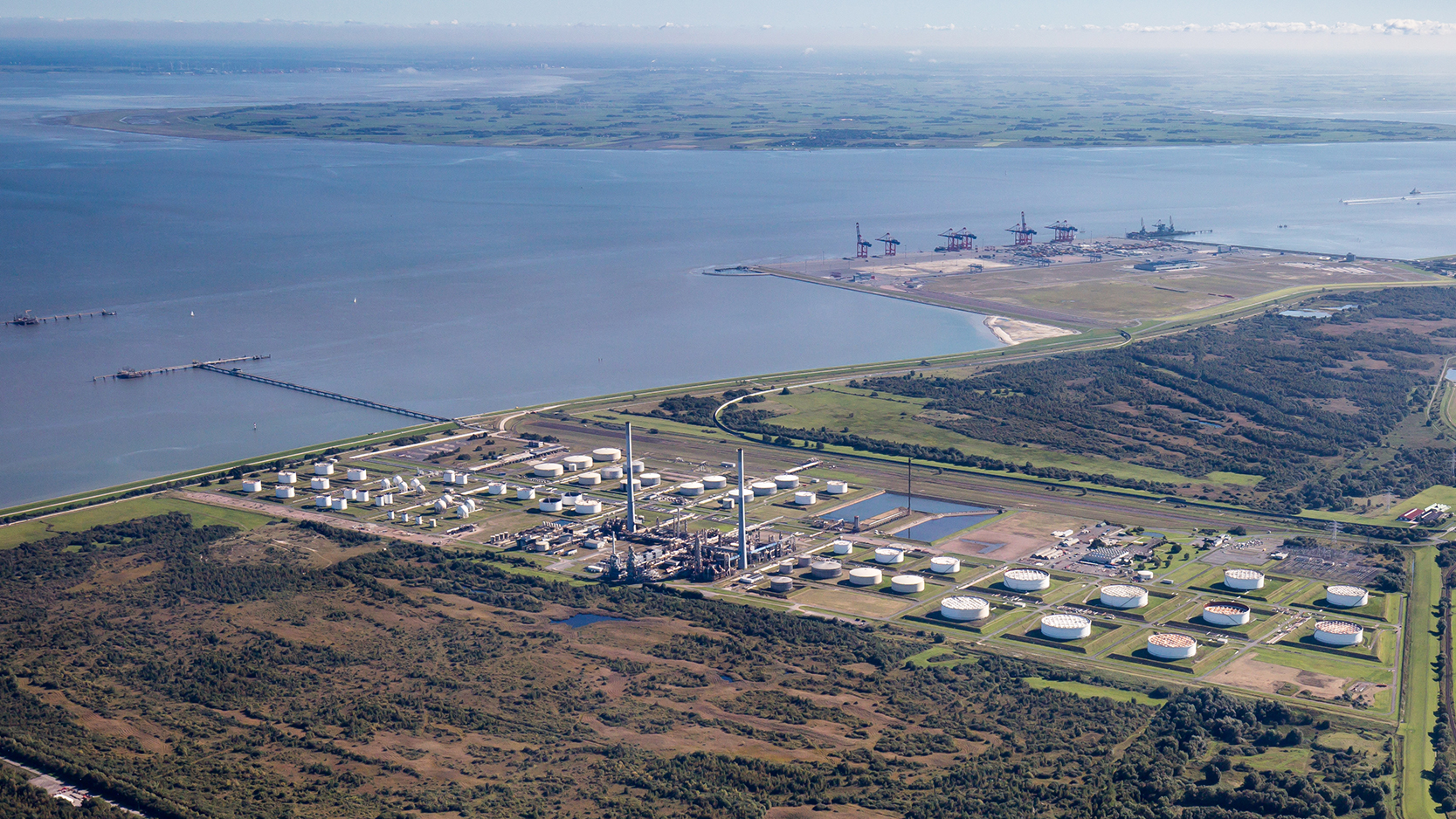
Hard-to-abate industries still emit CO₂ while low-carbon fuels scale. CCS closes that gap now. HES is developing purpose-built CO₂ export terminals in Rotterdam and Wilhelmshaven to connect industrial emitters to certified offshore storage, with optionality on storage destination and the ability to start small and scale.
Phase-1 investment per terminal
~€180M
Combined design ambition
up to ~20 Mt CO₂/year
Who it's for
- Emitters
- Capture project developers
- CO₂ shippers
- Storage partners
Open Season available to all from 31 March 2026
Secure Phase-1 export capacity at Rotterdam and Wilhelmshaven.
How it moves
Capture & gather
CO₂ is captured at industrial sites and moved to the terminal by pipeline, barge, rail, or truck, sized to each emitter’s logistics.
Receive, store & load
At Rotterdam or Wilhelmshaven, CO₂ is received, temporarily stored, and loaded onto specialized export vessels under HES operations.
Export to North Sea storage
Loaded vessels sail to certified offshore storage, with flexibility on destination so customers can match their storage pathway.
LOHC
Hydrogen as a liquid bulk.
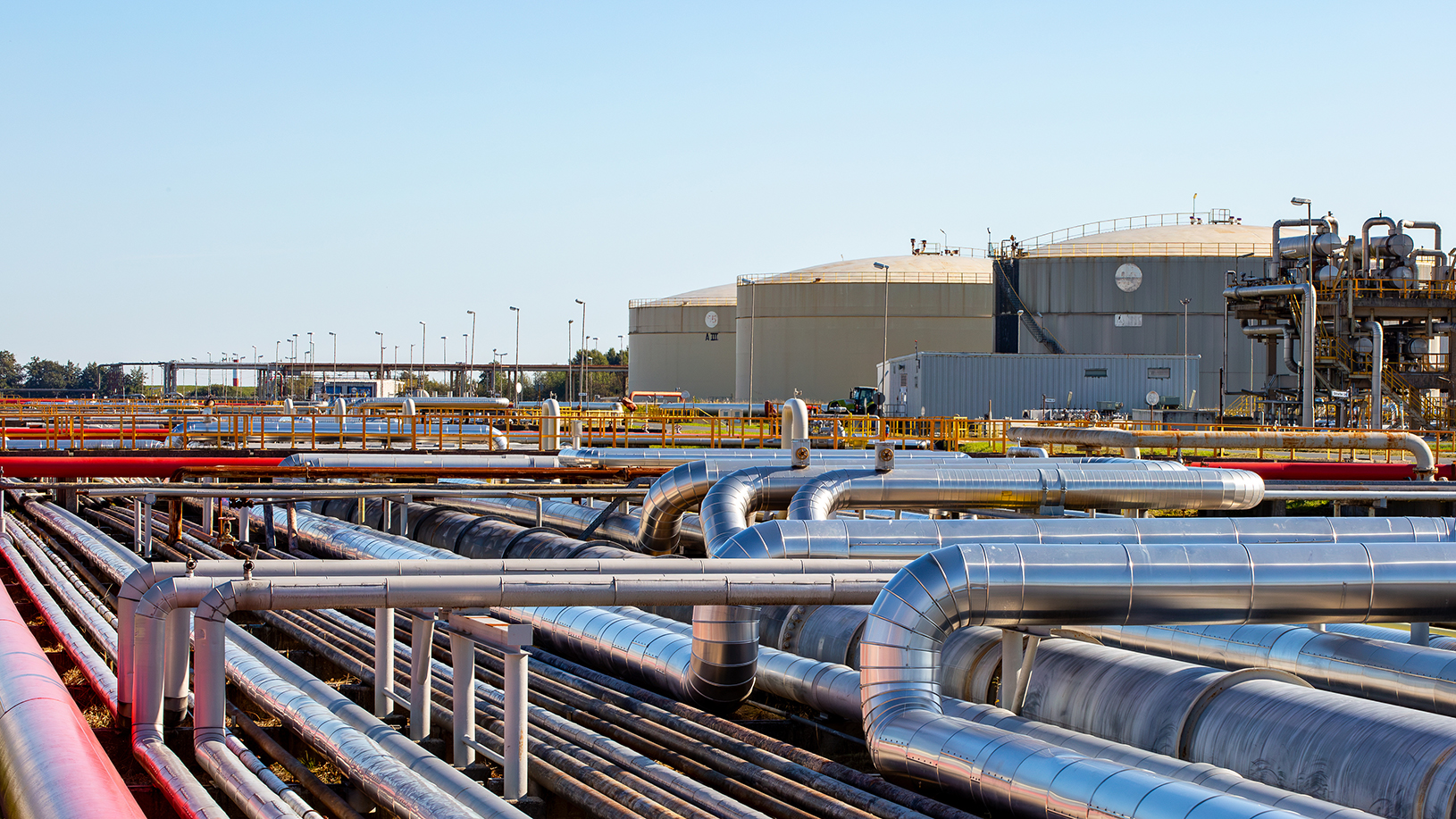
Liquid Organic Hydrogen Carriers use familiar liquid logistics, with Wilhelmshaven as the European landing point.
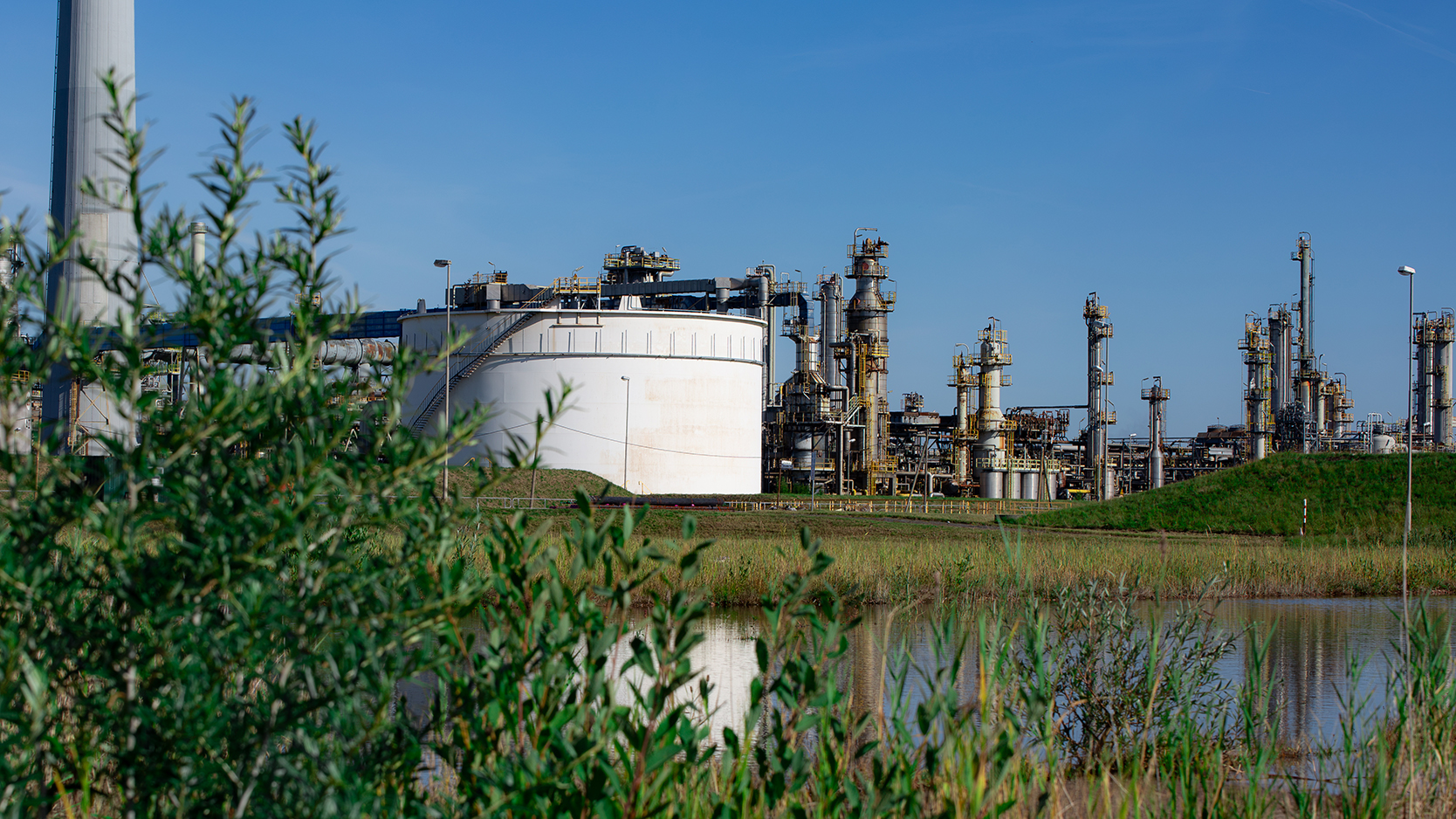
LOHC binds hydrogen into a liquid carrier that can be shipped, stored, and handled on liquid-bulk infrastructure. HES and North Atlantic have signed an MoU for a transatlantic import route: renewable hydrogen from Newfoundland and Labrador, landed via Wilhelmshaven for industrial energy supply in Germany and beyond.
MoU signed
HES and North Atlantic are jointly exploring a LOHC import route into Wilhelmshaven, converting proven liquid-bulk assets for the next hydrogen carrier.
Who it's for
- Hydrogen producers/exporters
- German industrial offtakers
- Carrier technology partners
Wilhelmshaven as the landing point
See how this deepwater terminal is becoming a New Energies gateway for hydrogen carriers, CO₂, and cleaner fuels.
How it moves
Produce
Renewable hydrogen is bound into LOHC at the export origin.
Ship
The liquid carrier moves by sea on familiar bulk logistics.
Land & store
Wilhelmshaven receives and stores LOHC on liquid-bulk assets.
Release
Hydrogen is released for industrial energy supply inland.
Ammonia → H₂
Hydrogen that can travel.
Green ammonia as a carrier, imported at scale, then stored, cracked, and moved into Europe’s hydrogen system.
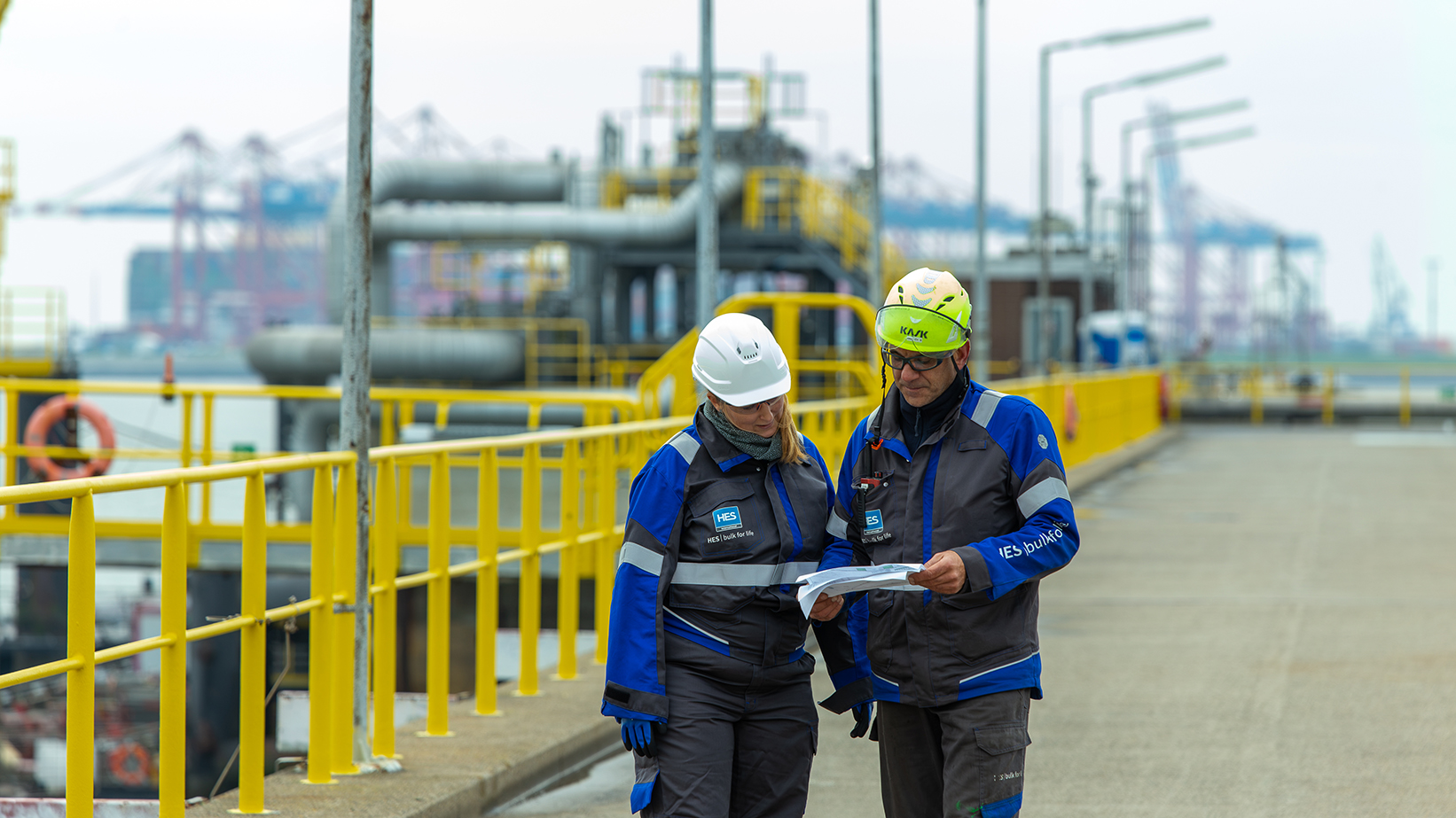
Northwest Europe's hydrogen needs are outpacing what local production alone can deliver. Ammonia provides a safe, scalable solution for transporting hydrogen at sea. a strong fit within our diversified New Energies portfolio. We are currently developing a partnership to advance this route and support the region's energy transition. More details will follow soon.
In development
Final investment depends on customer contracts and permits, including EIA. Market consultation is part of the path, interest can be registered early.
Combined design ambition
up to ~20 Mt CO₂/year
Who it's for
- Hydrogen offtakers
- Ammonia suppliers
- Industrial users
- Shipping fuel buyers
Talk to New Energies about ammonia
Register early interest in import, storage, or offtake, we’ll follow up with the commercial team.
How it moves
Ocean import
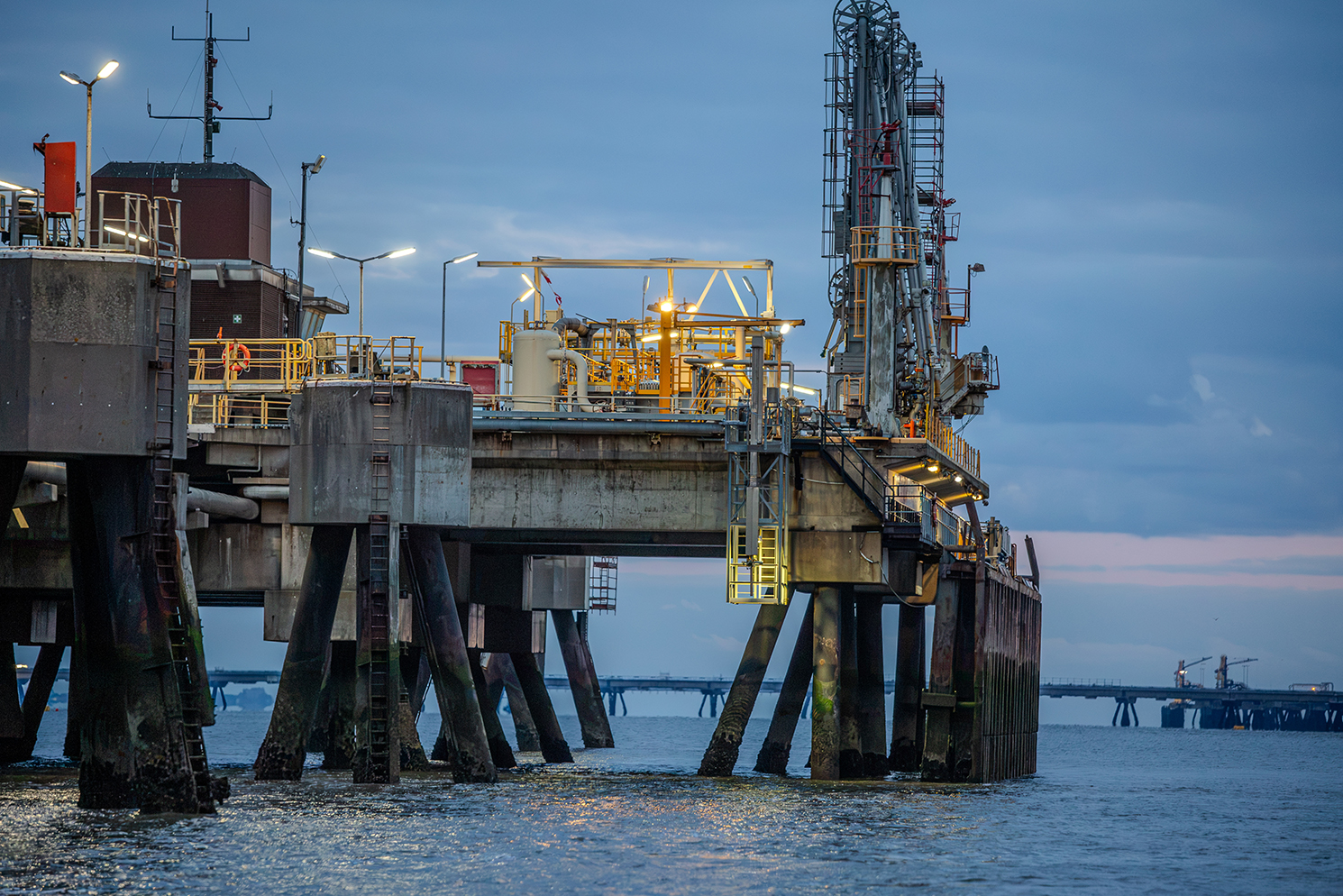
Vessels discharge green ammonia, and in the first phase, possibly blue ammonia, at Rotterdam’s Maasvlakte deepwater berths.
Store on terminal
Ammonia is stored safely in dedicated tank infrastructure, using existing port logistics and partner storage expertise.
Crack or offtake
Ammonia can be cracked back to hydrogen on site, used directly as a CO₂-free fuel, or supplied as industrial feedstock.
Move inland
Serving Northwest Europe’s future industrial and energy demand.
E-Fuels & renewables
Cleaner fuels, on tanks that already work.
Biofuels capacity is converting now. E-fuels and e-SAF are the next liquid cargoes on the same logic.
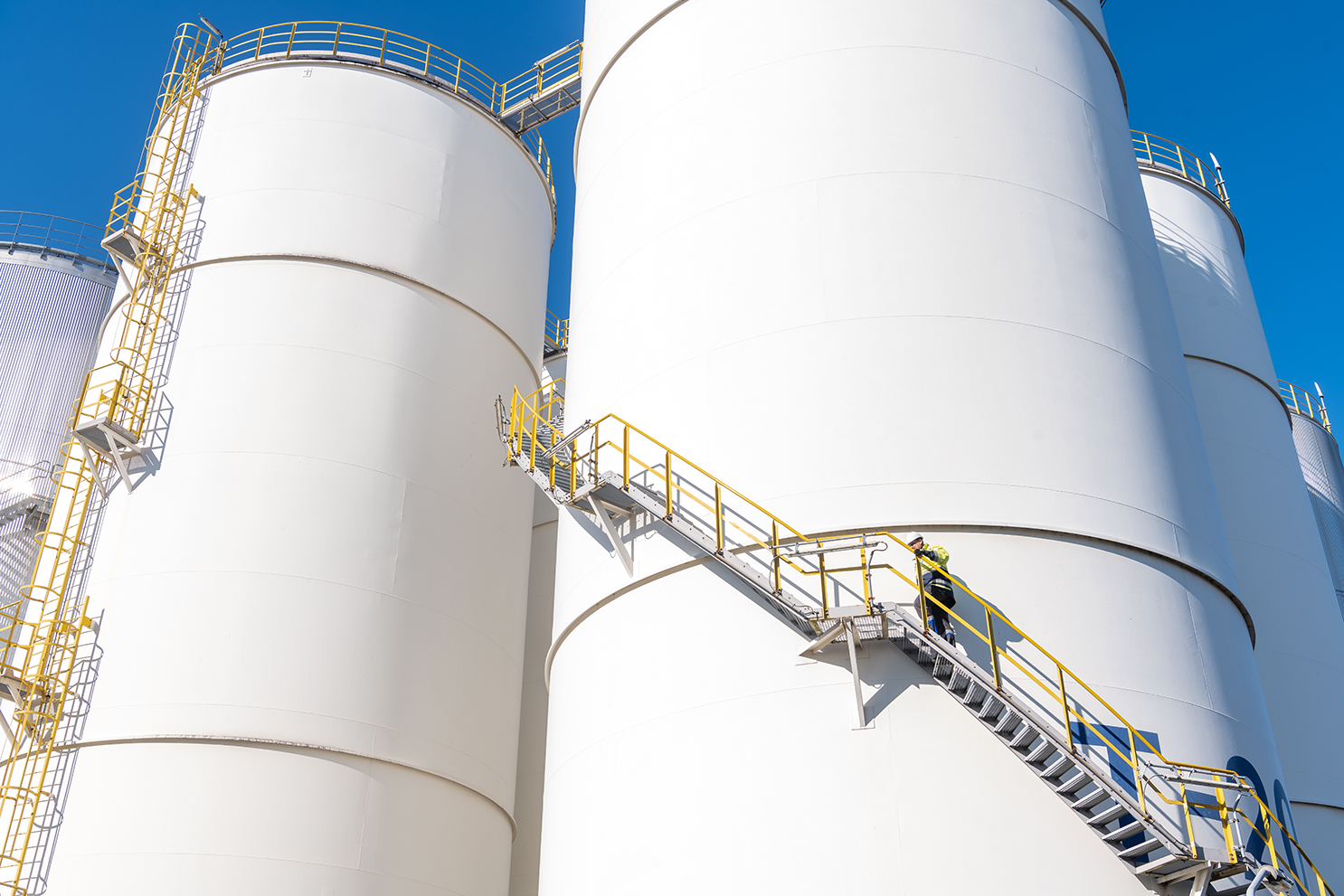
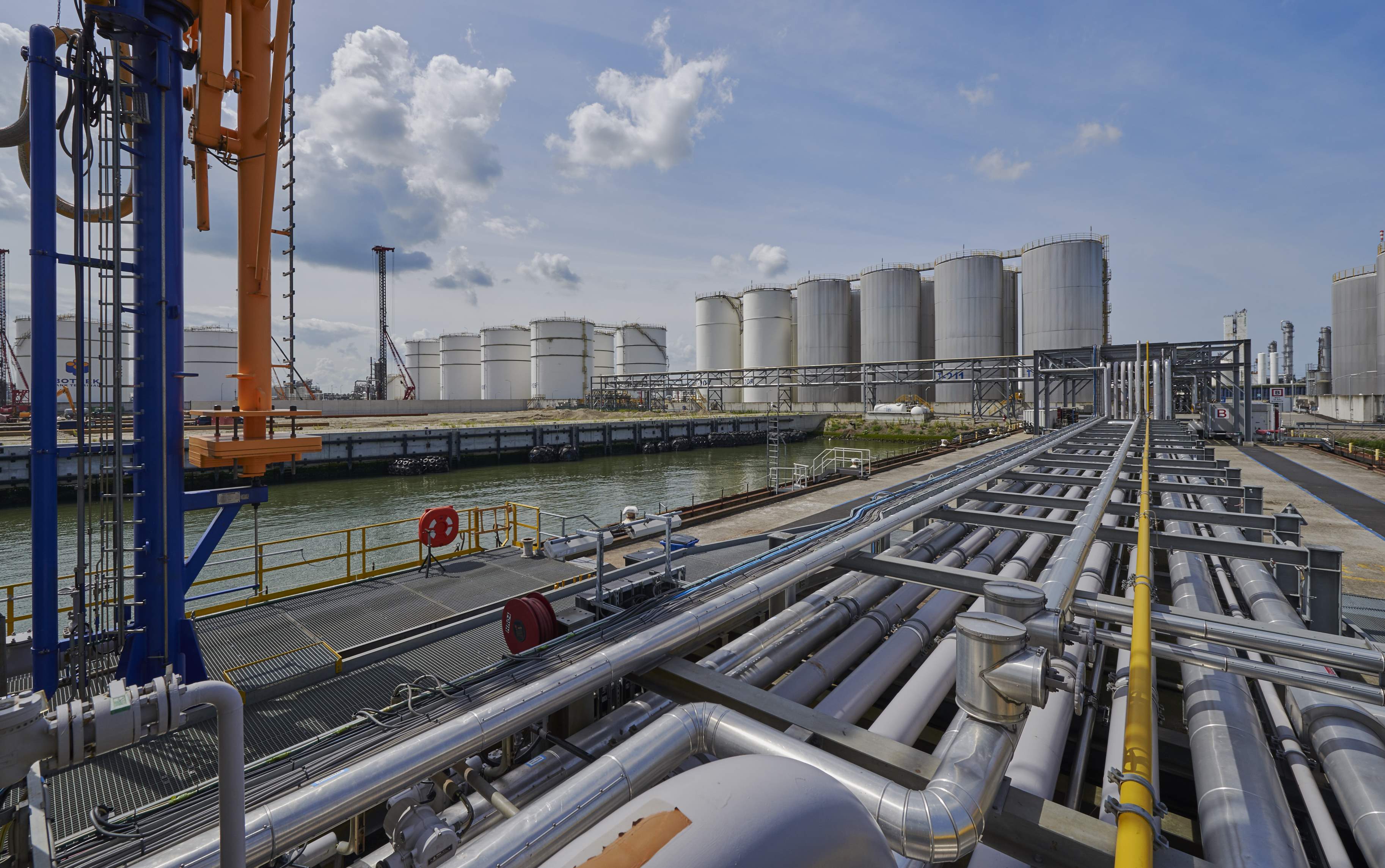
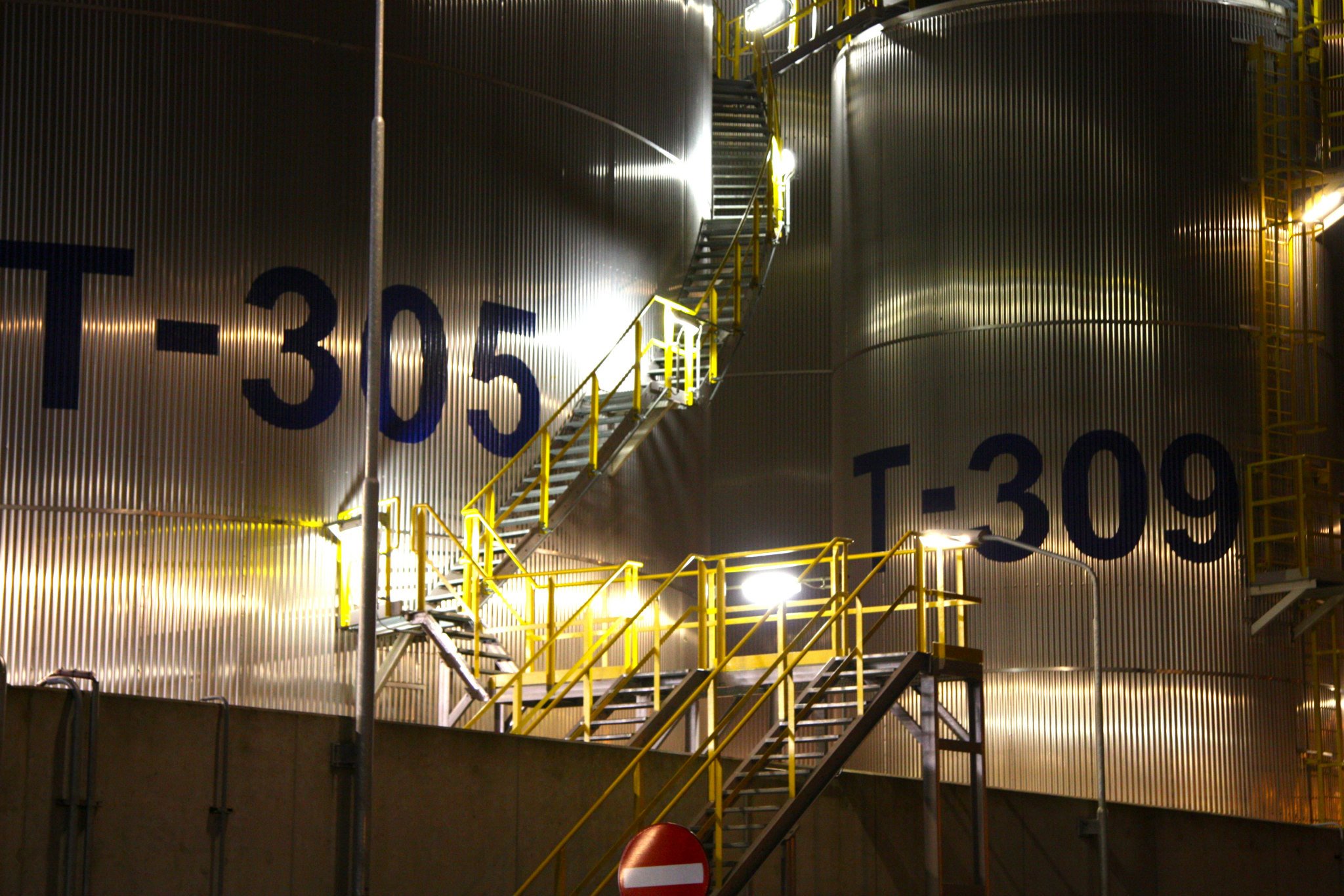
Not every transition molecule needs new infrastructure overnight. At HES Botlek, tank capacity is shifting toward biofuels and renewable products, targeting ~65% of capacity to biofuels by 2026, ahead of earlier strategic targets.
Two speeds, one logic
Biofuels are commercial motion today. E-fuels and e-SAF are the strategic build-out, tied to terminal strategy and partnerships.
Who it's for
- Fuel producers
- Blenders
- Aviation / marine offtakers
- Traders
See conversion in cubic metres
Botlek is already shifting tank capacity toward biofuels and renewable products, the clearest proof that today’s liquids fund tomorrow’s fuels.
How it moves
Produce / blend
Biofuels and future e-fuels enter the liquid system.
Store & handle
Tank capacity at Botlek (and future terminals) holds renewable fuels safely.
Supply offtake
Fuels move to aviation, marine, and industrial customers.
BESS
Power beside the port.
Battery Energy Storage Systems under active exploration at terminal-adjacent sites.
As industry electrifies and renewables grow, grid flexibility becomes part of the bulk story. HES is exploring terminal-adjacent BESS opportunities, using land, grid proximity, and industrial offtake context already present at our sites.
Active exploration
No contracted BESS capacity yet. We are assessing which terminal sites can support grid-scale storage for industrial offtakers across Northwest Europe.
Who it's for
- Industrial offtakers
- Grid operators
Discuss site potential
Have a storage, offtake, or co-location opportunity? Talk to New Energies, we’ll explore fit against our terminal footprint.
How it moves
Store
Renewable and grid electricity is stored on-site at terminal-adjacent BESS installations, capturing power when supply is high.
Balance
Stored energy is released strategically, smoothing fluctuations between renewable generation and industrial demand.
Supply
Balanced power is delivered directly to industrial offtakers and terminal operations, strengthening grid flexibility across Northwest Europe.
Partnerships
Building the future, together.
We provide the terminal link; quay, storage, handling, and multimodal onward transport. and build together with specialists who own production, pipelines, storage, or offtake. Partnership is how new energy value chains get built: faster, smarter, and ready for what's next.
Ammonia / hydrogen-carrier import
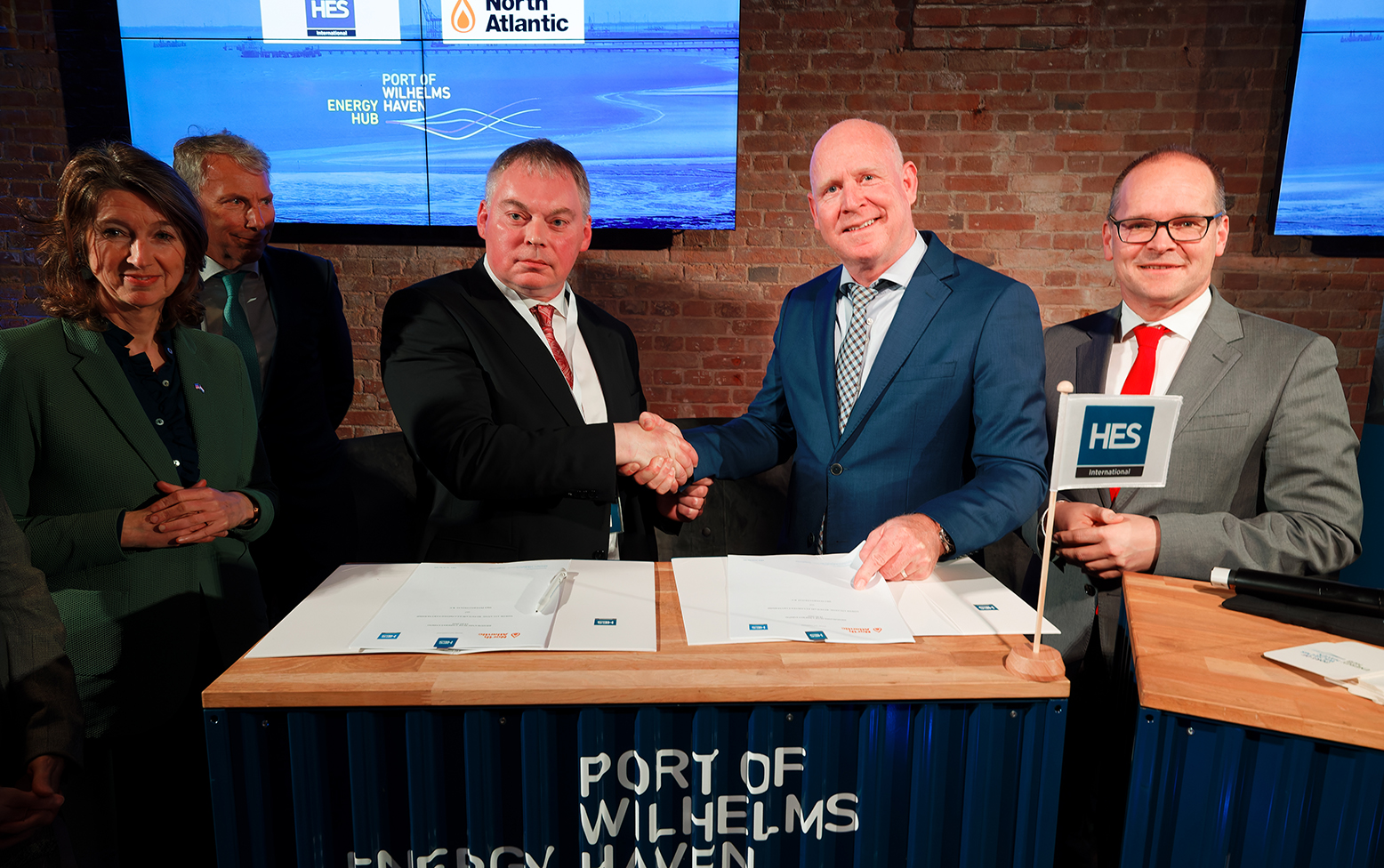
Transatlantic LOHC import route via Wilhelmshaven

Option to connect Wilhelmshaven to German H₂ backbone
CCS value-chain context
Low-carbon steel logistics infrastructure with HES FOS
Transition news
What’s live in New Energies.
Open Season updates, tpartnerships and stream announcements land here first. Use this feed to see which molecule pathways are moving from concept into commercial reality.

HES International and North Atlantic sign MoU to develop international LOHC hydrogen import route via Wilhelmshaven
Partnership framework explores shared infrastructure for future energy streams.
1 minute read

Rail logistics study confirms CO₂ transport viability to Wilhelmshaven
1 minute read
HES International launches open season for CO₂ export terminals in Wilhelmshaven and Rotterdam
1 minute read